

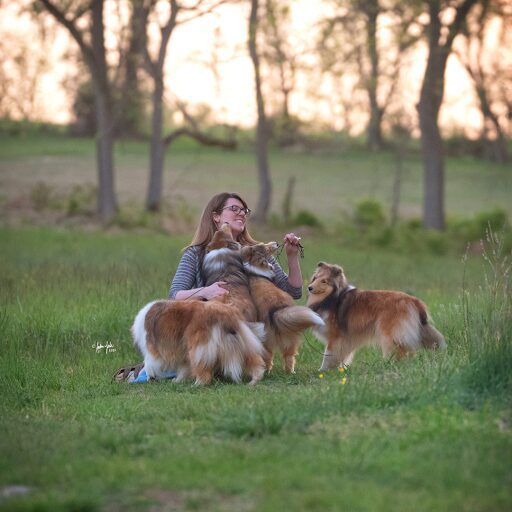
What makes the Shetland Sheepdog such a special breed? Anyone who has spent time with a Sheltie knows the answer lies beyond their beautiful coats and unmistakable expressions. Shelties are soulful dogs that form close bonds with their family. They are devoted, alert, sensitive, and remarkably tuned in to their people.
Those qualities are part of what makes living with a Sheltie so rewarding, but they also reflect the breed’s history and working instincts. Understanding where these traits come from can help new owners build confidence in their dogs and help longtime enthusiasts appreciate the breed in a whole new way.
For Jen Milani, owner of Sheltie Annual, that appreciation began at 14, when she first entered the world of Shelties as a Junior Handler. Nearly three decades later, her passion for the breed has grown into a lifelong career as a breeder, exhibitor, photographer, and advocate for the Shetland Sheepdog.
Whether you are bringing home your first Sheltie or have loved the breed for years, here are a few things worth knowing about these remarkable dogs.
Why Is Early Socialization Important for a Sheltie?
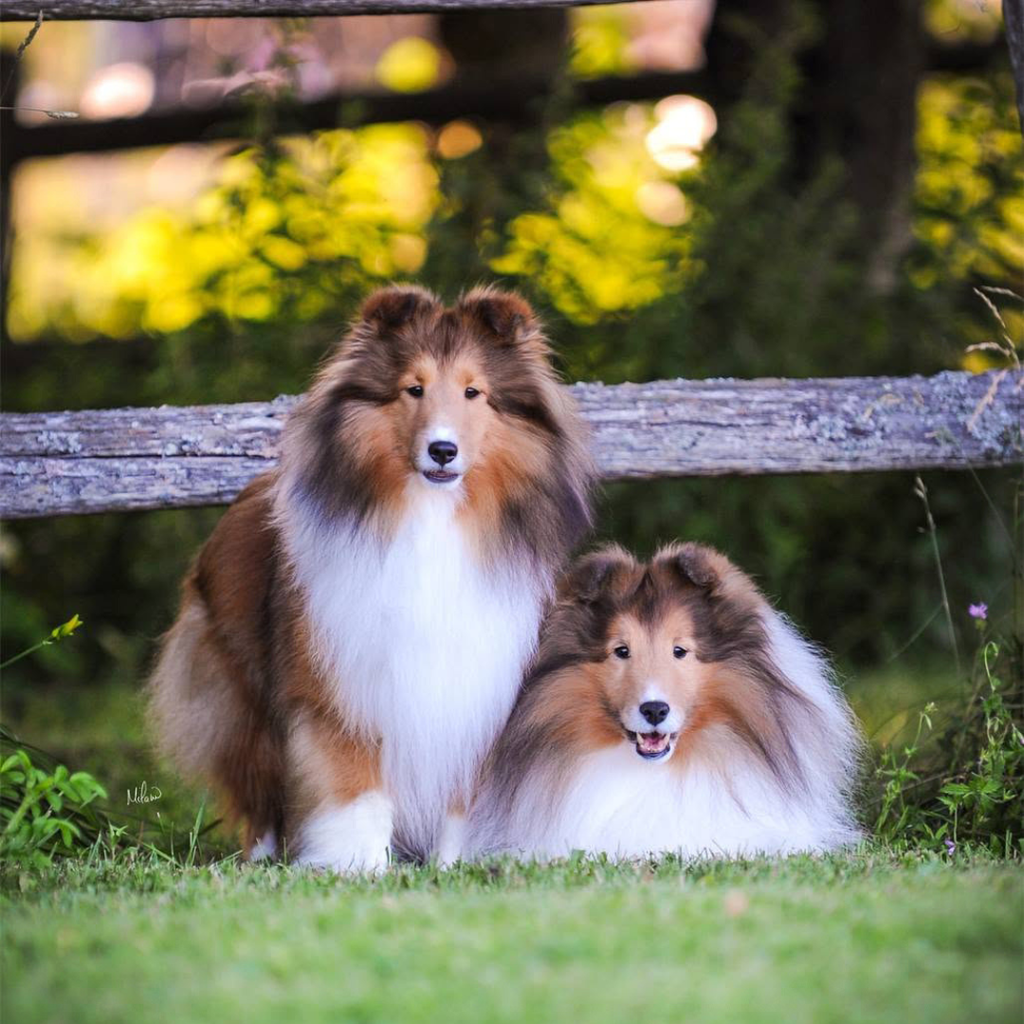
Early socialization is especially important for Shelties because they are naturally alert and sensitive to their surroundings. The Shetland Sheepdog originated on the Shetland Islands off the northern coast of Scotland, where early Shelties were used for farm tasks including keeping sheep and birds away from gardens, warning owners of approaching strangers, guarding sheep from predatory birds, and serving as family companions. These working roots help explain the breed’s watchful nature. The American Kennel Club notes that Shelties may be reserved with strangers and have a natural sensitivity to sight and sound.*
The American Kennel Club emphasizes early socialization to help Shelties develop stable, confident personalities and recommends it to help prevent fear of new people and situations.** For owners, that means giving a young Sheltie positive opportunities to experience different people, places, sounds, and situations without becoming overwhelmed. The goal is to help them learn that new experiences can be approached with confidence.
What Is the Shetland Sheepdog’s Temperament Like?
Shelties tend to form close bonds with their families, while their natural reserve around strangers reflects the sensitivity and watchfulness that have long been part of the breed.** For those who love Shelties, these traits are part of the charm.
A Sheltie wants to know what you are doing, where you are going, and whether there is a job to be done. They are not simply dogs that live alongside you; they become a true part of the family.
How Should You Train a Sheltie?
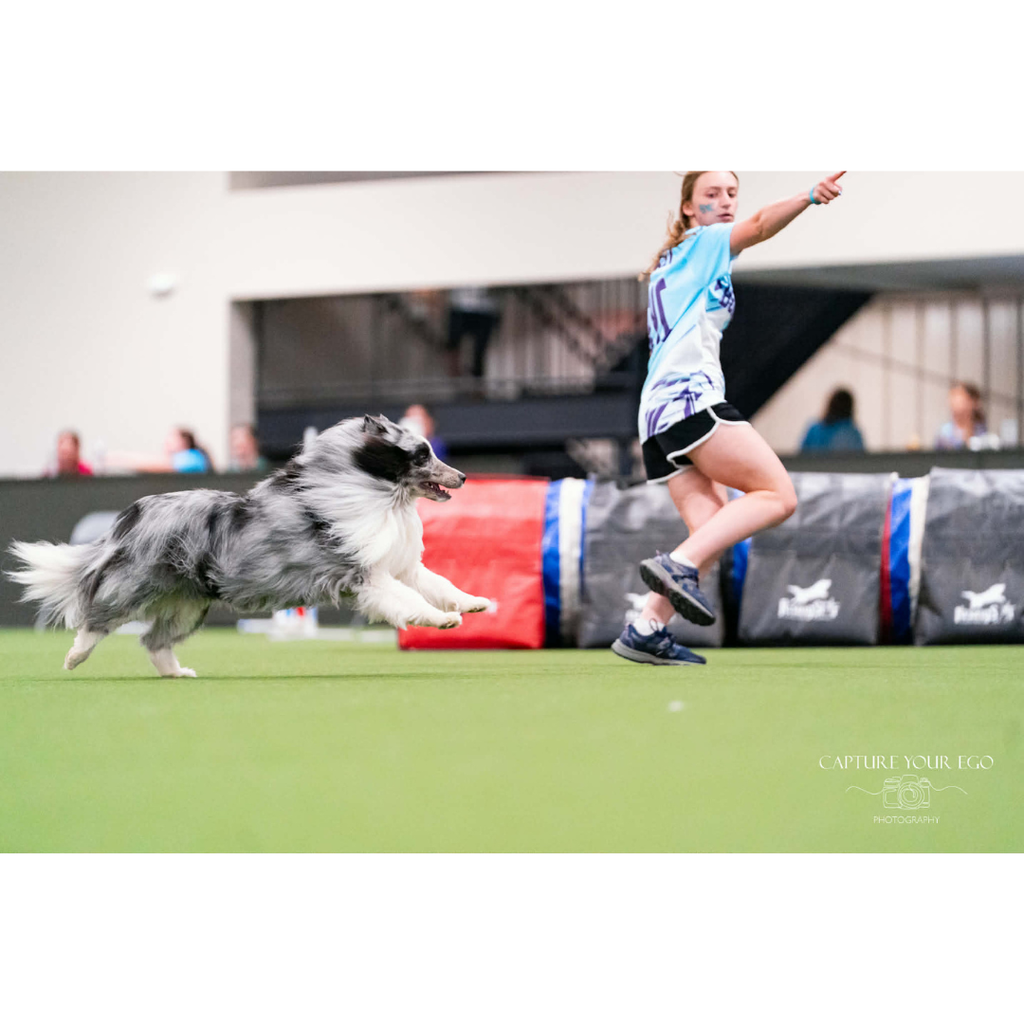
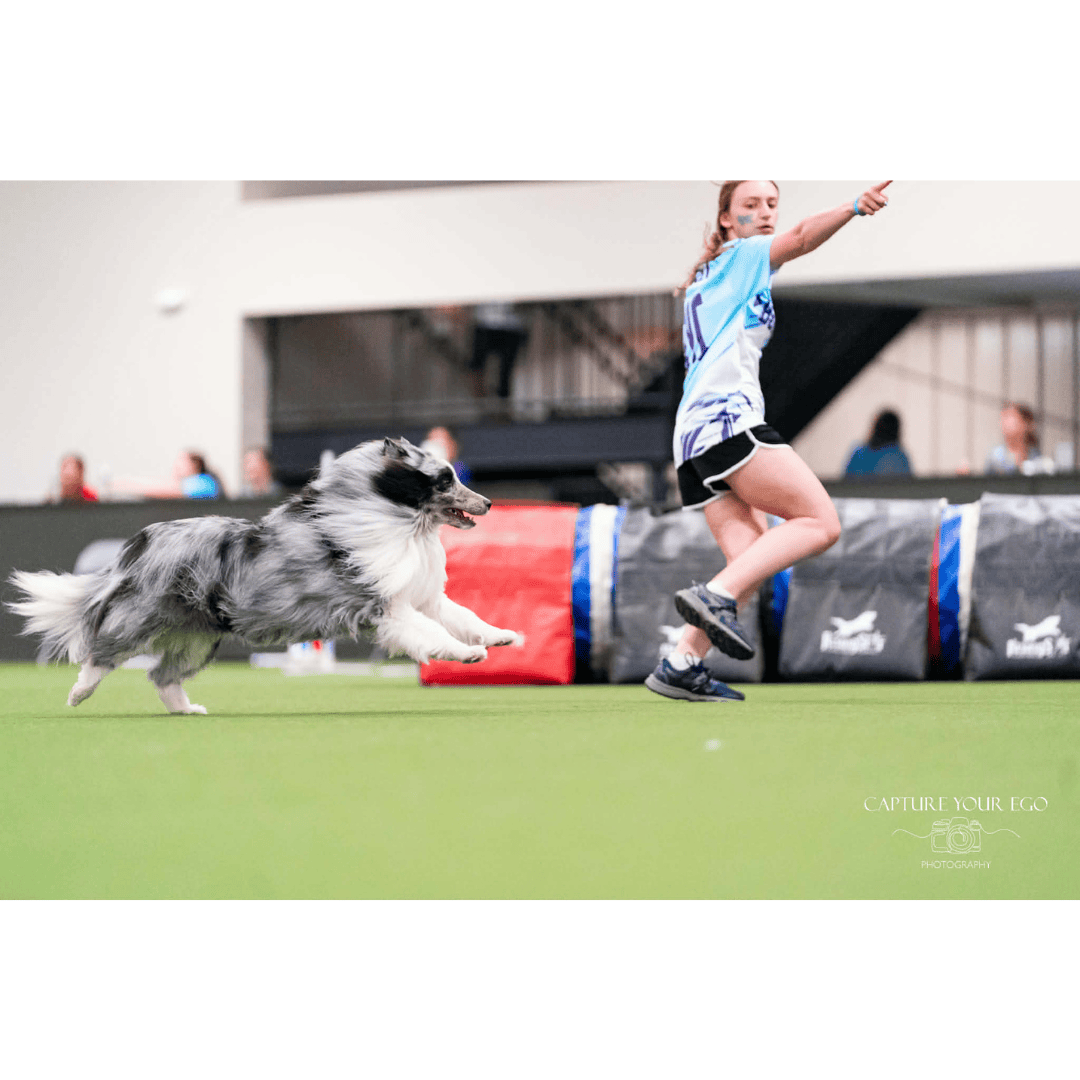
Training is an important part of life with a Sheltie, and this breed generally enjoys learning. The American Kennel Club describes Shelties as highly intelligent, trainable, and eager to please and recommends puppy training and early socialization. Their willingness to work with their handlers also makes them well-suited to activities such as agility and obedience.**
Shelties are also known for being vocal. The American Kennel Club notes that barking can be managed through training, while their herding background may contribute to behaviors such as chasing or gathering.**
For a breed as responsive as the Sheltie, training is about more than teaching commands. It is an opportunity to build communication and develop the partnership between dog and handler.
That partnership can be especially meaningful for young handlers. Junior Handling and other dog sports give young people an opportunity to experience that connection firsthand while learning responsibility, building confidence, overcoming challenges, and forming a bond with their dog that can last a lifetime.
Interested in getting your child involved in Junior Handling or dog sports? Sheltie Annual is happy to share tips for getting started. Contact Jen at [email protected].
How Much Exercise Does a Sheltie Need?
Don’t let the Sheltie’s size fool you. This is an athletic, energetic breed that needs regular opportunities for physical and mental exercise.
The American Kennel Club notes that Shelties are happiest when they have opportunities to exercise and can participate in activities including agility and obedience.**
For owners, that might mean walks, play, agility, obedience, or other activities that let a Sheltie stay active and engaged. Every dog is different, but providing regular activity and meaningful ways to use their abilities can help keep a Sheltie happy.
What Should You Consider Before Bringing Home a Sheltie?
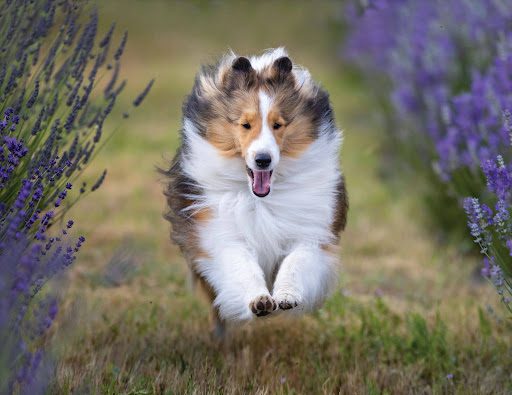
Bringing a Sheltie into your life is a commitment to more than a beautiful face and a wonderful companion. Before bringing one home, consider whether your lifestyle allows time for training, socialization, exercise, and companionship. Shelties can thrive in many different homes, but they tend to do best with people who appreciate their distinctive personality and want an active relationship with their dog.**
Grooming is another consideration, and it can feel intimidating to new owners, given the Sheltie’s full double coat. The good news is that a quick brush every other week is really all they need. We don’t recommend shaving a Sheltie, as that coat serves an important purpose, playing a big role in insulation and overall health.
If you are considering a puppy, take time to learn about the breed, talk with experienced breeders, and think about what you hope to do with your dog. Whether your future Sheltie will be your family companion, performance partner, show dog, or a little bit of everything, finding the right fit can make the experience rewarding for both of you.
How Can Sheltie Owners Help Preserve the Breed?
Preserving a breed begins with understanding what makes it unique.
The Sheltie’s history, temperament, working ability, and versatility are all part of what makes the breed what it is. The American Kennel Club’s history of the Sheltie highlights the breed’s diverse working background and the importance of developing a stable temperament while maintaining its defining characteristics.*
For breeders, preservation means making thoughtful decisions about the breed’s future. For owners and enthusiasts, it begins with learning about Shelties, supporting responsible breeding, participating in the breed community, and appreciating the qualities that have made the breed so special for generations.
One thing every owner can do for the breed is raise a well-behaved Sheltie who is a wonderful advocate for the breed. Shelties naturally attract interest from the public, so having one that is well-groomed and well-behaved does wonders for teaching others just how special this breed is.
Preservation is about more than maintaining a look. It is about understanding the Sheltie’s history, respecting its temperament and working ability, and helping ensure that the qualities we love today remain part of the breed’s future.
Where Can Sheltie Owners Learn More About the Breed?
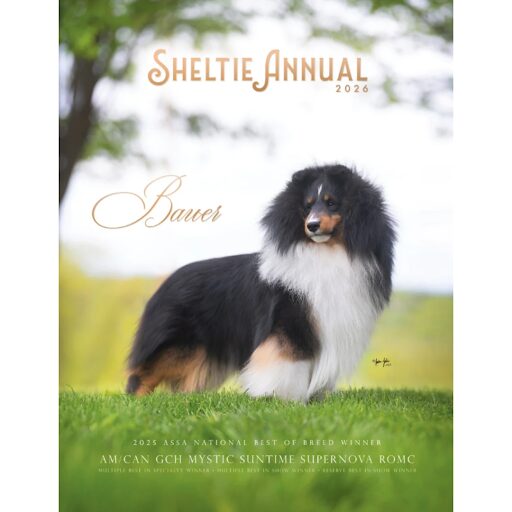
Whether you are welcoming your first Sheltie or have spent decades in the breed, there is always more to learn, appreciate, and share. For reliable information about the Shetland Sheepdog, the American Kennel Club and American Shetland Sheepdog Association are valuable resources for learning about the breed and connecting with the broader Sheltie community.
Sheltie Annual was created for breeders, owners, and enthusiasts who share a commitment to the Shetland Sheepdog. Each Annual Magazine features breed-specific health and training information, breed history, articles from respected breeders and trainers, National Specialty results, kennel showcases, and more. The Sheltie Calendar has celebrated the breed for more than 40 years with 12 beautiful full-color images, breed information, and useful reference materials.
Follow Sheltie Annual on Facebook and Instagram for breed information, community stories, photography, and plenty of Sheltie love.
The Sheltie is a remarkable breed. Learning about the breed, celebrating it, and helping preserve its best qualities for generations to come make being part of the Sheltie community so rewarding.
Sources
*American Kennel Club: Shetland Sheepdog History: A Pint-Sized Package
**American Kennel Club: Is the Shetland Sheepdog a Good Fit for You?


