

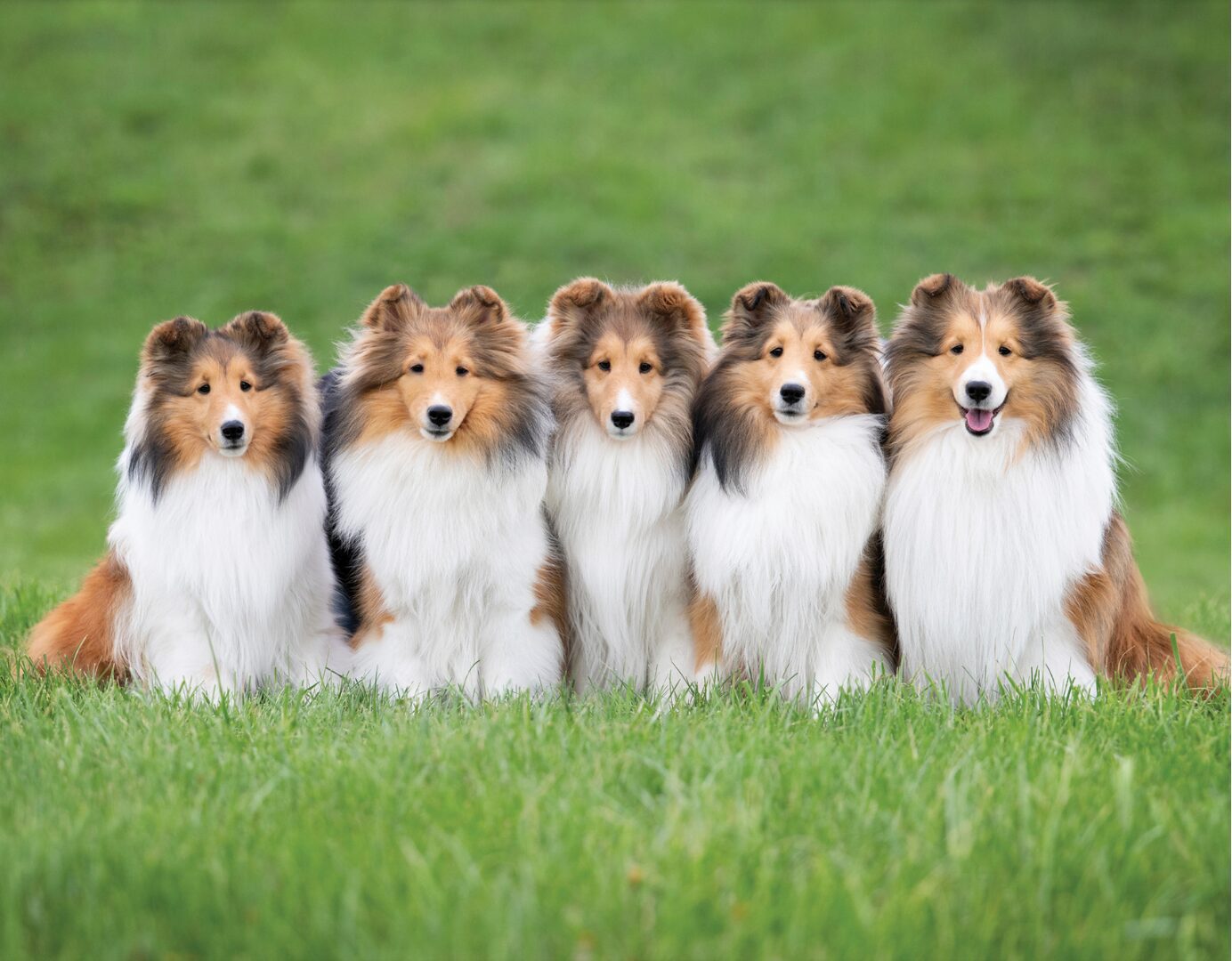

From a small farm dog on the remote Shetland Islands to a beloved breed recognized around the world, the Shetland Sheepdog has a history as distinctive as the dogs themselves. While much of that history has been carefully documented, some details of the Sheltie’s early development remain open to interpretation, making the breed’s story all the more fascinating.
At Sheltie Annual, understanding where the breed came from is part of appreciating where it is today. Through our Annual Magazine and Sheltie Calendar, we celebrate the Shelties, breeders, handlers, and enthusiasts who continue to be part of that story.
The American Shetland Sheepdog Association (ASSA), the breed’s parent club, notes that the exact combination of breeds that contributed to the Sheltie’s development remains uncertain and continues to be debated.* What is clear is that the breed’s history reflects generations of adaptation, careful breeding, and the distinctive environment of the Shetland Islands.
What Was Life Like for Early Shelties on the Shetland Islands?
The Shetland Islands are a remote archipelago in the North Atlantic, known for their rugged landscape and the hardy animals that developed there, including the Shetland pony and Shetland sheep. The Shetland Sheepdog was shaped by this environment and the needs of the island communities that raised them.**
Early Shelties were considerably smaller than the dogs we know today, often standing just 8 to 10 inches at the shoulder. They served as versatile farm dogs, helping keep birds and the islands’ free-roaming sheep away from vegetable gardens and stored fish. They also warned families of approaching strangers, assisted with the twice-yearly sheep round-up, and served as loyal companions.**
The ASSA describes the original Sheltie as an all-around farm dog that assisted crofters wherever needed, reflecting the practical role these small, capable dogs played in island life.*
Where Did the Shetland Sheepdog Come From?
The precise origins of the Shetland Sheepdog are not known, but breed historians have identified several possible influences. The ASSA describes longstanding theories involving a Northern Spitz-type dog brought from Scandinavia, the King Charles Spaniel, the original Pomeranian, other dogs indigenous to the islands, and the Scotch Collie.*
The American Kennel Club (AKC) similarly describes the early Sheltie as a blend of several breeds, including Pomeranians, small spaniels, and other dogs, while noting that working sheepdogs from Scotland may also have contributed to the breed.**
As the small island dogs attracted the attention of visitors looking for distinctive companion dogs, they became a source of income for some Shetland Islanders. Breeders eventually began introducing larger Collies to create greater consistency in type and size, an important chapter in the development of the modern Sheltie.*
Even some of the breed’s most recognizable colors have histories that are not entirely understood. The ASSA notes that the origins of blue, bi-blue, and blue merle with tan coloring remain uncertain.*
Why Was the Breed Originally Called the Shetland Collie?
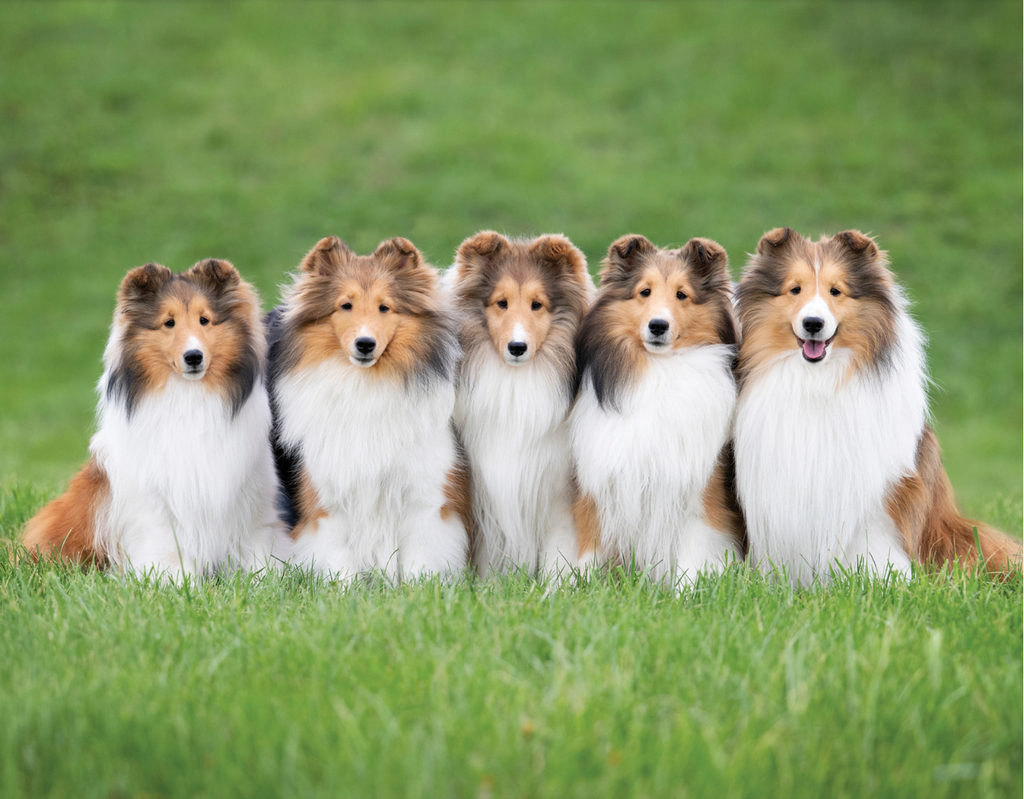
One of the best-documented chapters in Sheltie history is the breed’s early connection to the Collie.
The breed was first registered in Lerwick in 1908 and with the Scottish Shetland Sheepdog Club in 1909. It was initially registered as the “Shetland Collie,” but the name was changed to Shetland Sheepdog by October 1909 following objections from Collie fanciers.*
During this period, breeders on the British mainland introduced standard Collies to the smaller island dogs to develop greater uniformity in type and size. Some of these crosses were recorded, while others were not.*
The breed’s Collie ancestry also played a role in its early development in the United States. American breed historian Mary Van Wagenen, of Sea Isle Kennels, determined that American Shelties of the period had approximately 50 percent Collie blood, according to the ASSA. Further undeclared Collie crosses are also believed to have occurred.*
These early breeding practices contributed to the variation in size and type observed among Shelties during the breed’s formative years. They also influenced the breed’s journey toward the consistent standard recognized today.
When Was the Shetland Sheepdog Recognized as a Breed?
As the breed continued to develop and gain attention beyond the Shetland Islands, efforts to formally establish and define the Sheltie became increasingly important.
Breed clubs were established as interest in the Sheltie grew throughout the British mainland and the United States. The breed was recognized by the English Kennel Club in 1909 and by the AKC in April 1911. The ASSA was founded in 1929.*
The early American breed also faced challenges related to its documented Collie ancestry. Because Collie crosses appeared in the pedigrees of some imported Shelties, many early imports were initially ineligible for AKC registration. According to the ASSA, there was a period when only two registered males in the United States were eligible for breeding.*
Over time, the breed became firmly established in the United States, and its distinctive identity continued to develop.
How Was the Modern Shetland Sheepdog Standard Established?
As Shelties became more established as a recognized breed, breeders and breed clubs continued to work toward a clearer, more consistent definition of the ideal Sheltie.
The modern American breed standard was adopted in 1952 after seven years of discussion and was slightly revised in 1959. It describes the Shetland Sheepdog as a breed of moderation and balance, combining agility, strength, and refinement.**
Under the American standard, Shelties are expected to measure between 13 and 16 inches at the withers, with dogs outside that range disqualified from the conformation ring.**
The breed’s history helps put that standard into perspective. Early Shelties varied considerably in size and type, and that variation continued as breeders worked toward greater consistency. Today, breeders continue to carefully consider structure, temperament, size, and overall breed type when planning future generations.
How Did the Shetland Sheepdog Become the Versatile Breed We Know Today?
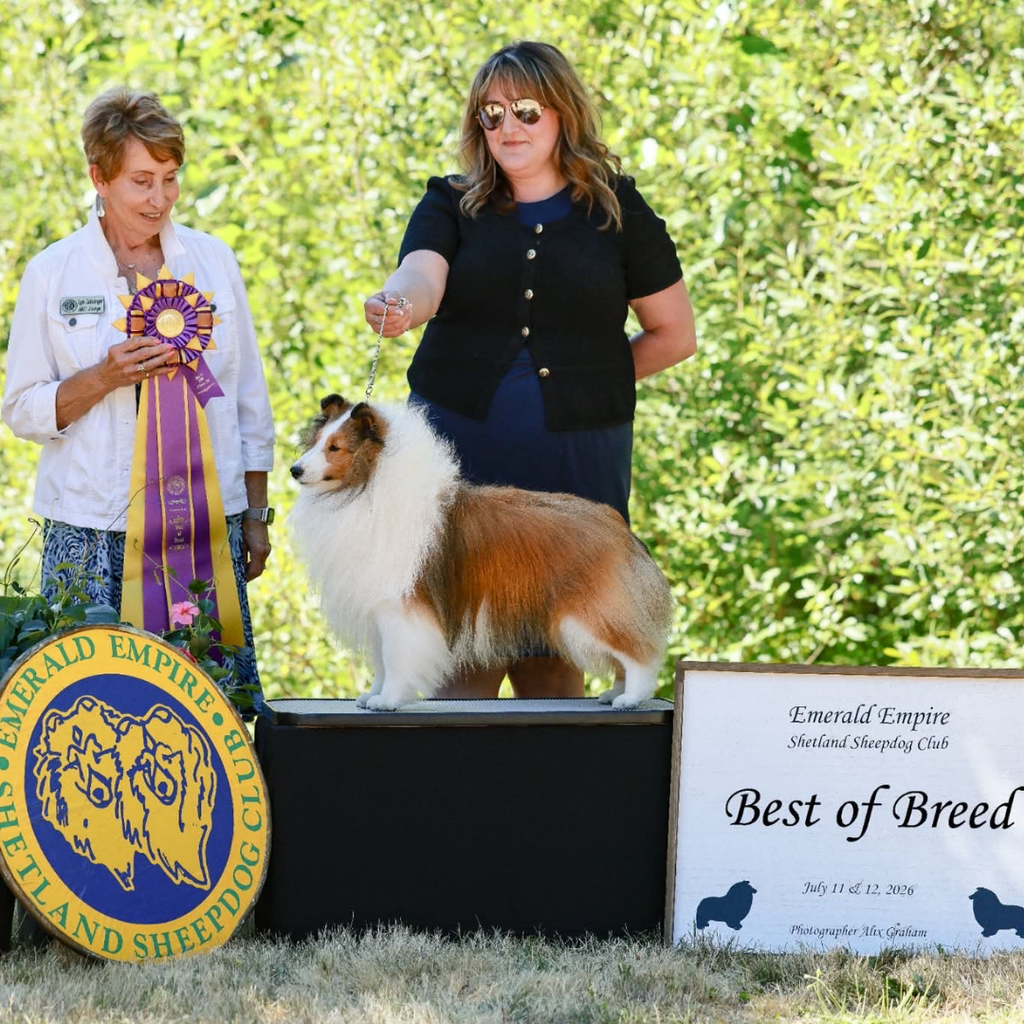
The Shetland Sheepdog’s original role as an all-around farm dog helped lay the foundation for the versatility we see in the breed today.
Modern Shelties excel in conformation, obedience, agility, rally, herding, therapy work, and other activities. They are also treasured simply as devoted family companions. The ASSA notes that Shelties today participate successfully in multiple venues around the world, from performance sports to therapy work and companionship.*
The breed’s intelligence, athleticism, responsiveness, and eagerness to work have helped the Sheltie thrive well beyond its original island home.
The breed’s history is also preserved through the individual Shelties whose accomplishments have left a lasting mark on the breed. One such Sheltie is CH Halstors Peter Pumpkin ROM ROMC “Peter,” one of the most legendary Shelties in breed history. Owned and Handled by Tom Coen of Macdega Shelties, Peter was a Multiple National Specialty Best of Breed Winner, and at 10 years old, he not only won Best of Breed at the Westminster Kennel Club dog show, but also achieved two All-Breed Best in Shows. He is the oldest BIS-winning Sheltie in breed history.
Peter is among the influential dogs whose accomplishments have become part of the breed’s enduring history. His story, along with those of other notable Shelties, is preserved in our Top Producers issue, in which Tom Coen was interviewed, and Peter is featured.
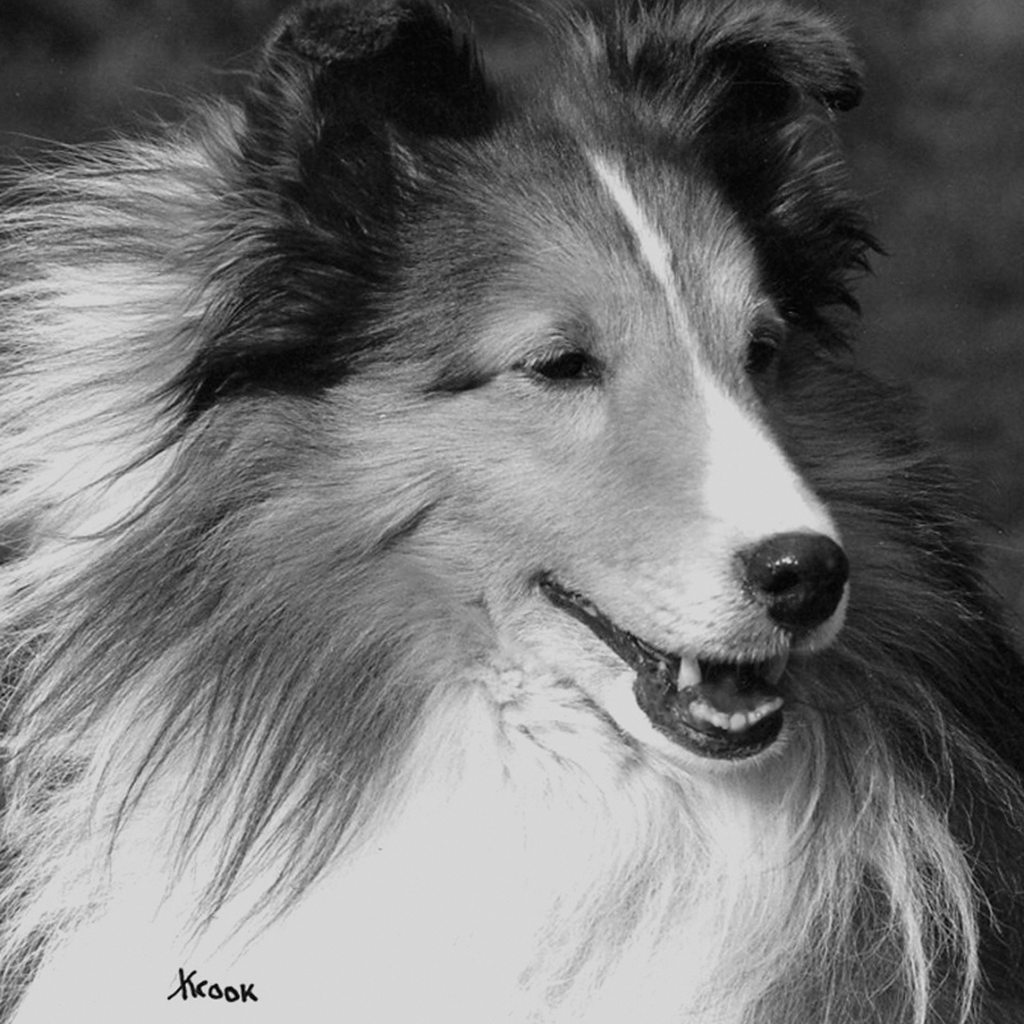
What Makes Sheltie History Important Today?
The history of the Shetland Sheepdog gives us a deeper appreciation for many of the qualities that make the breed so special. Its working heritage helps explain its intelligence and responsiveness, while its varied foundation helps explain the diversity that has been part of the breed since its earliest days.
Just as importantly, the breed’s history reminds us that the Sheltie we know today was shaped over generations. Island communities, early breeders, breed clubs, exhibitors, and devoted owners all played a role in establishing and preserving the breed.
For today’s Sheltie community, that history is more than a record of the past. It is part of the foundation on which the breed’s future continues to be built.
How Does Sheltie Annual Celebrate the Breed’s History?
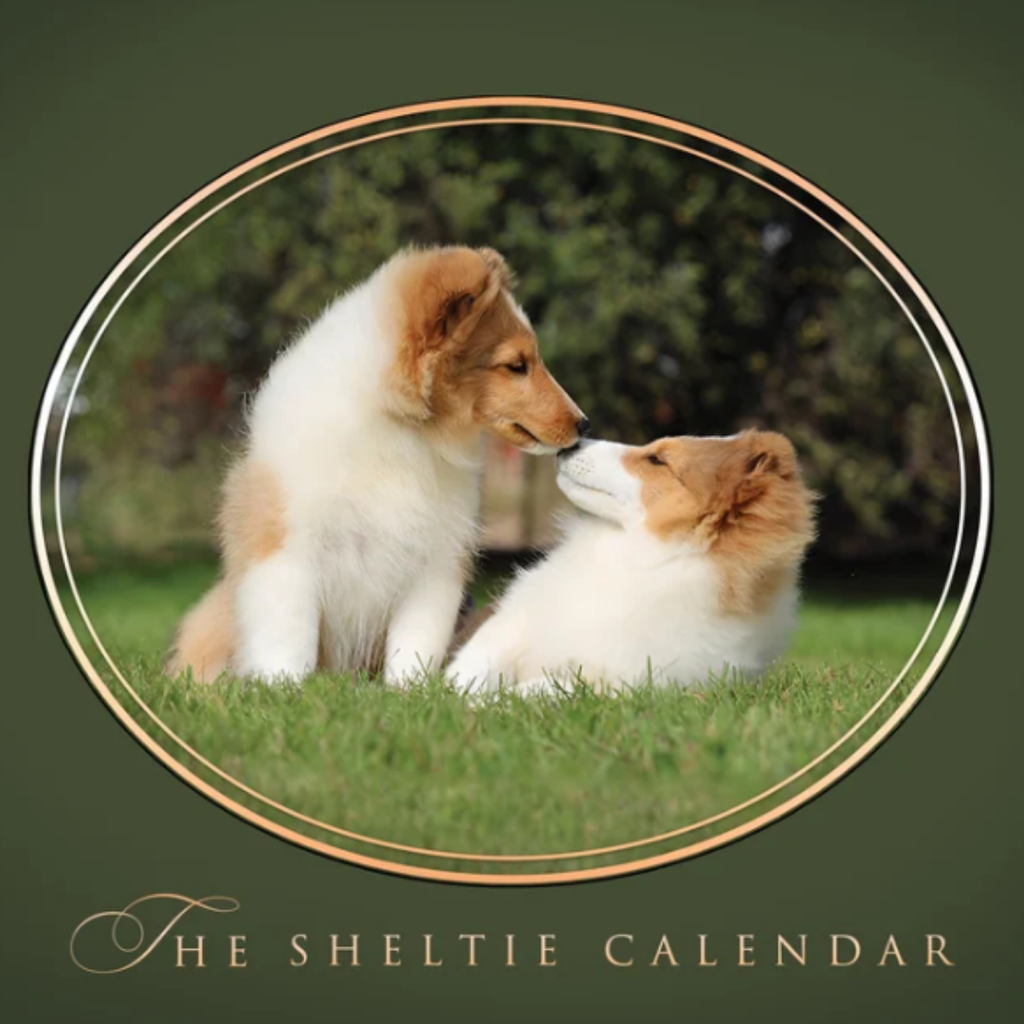
At Sheltie Annual, preserving and celebrating the story of the Shetland Sheepdog is at the heart of what we do. The Annual Magazine brings together breed history, articles from respected breeders and trainers, National Specialty results, kennel showcases, and other stories that reflect the depth and diversity of the Sheltie community.
Our Sheltie Calendar, a tradition spanning more than 40 years, celebrates the beauty and character of the breed year after year.
The history of the Shetland Sheepdog is still being written by the people who breed, train, show, work with, and simply love these remarkable dogs. By learning from the past and celebrating the present, we can help carry that story forward for generations of Shelties to come.
Where Can You Learn More About the Shetland Sheepdog?
For additional information on the breed’s history and heritage, the ASSA and AKC offer trusted resources covering Sheltie history, breed standards, development, and more. The ASSA also maintains additional historical resources for those interested in exploring the breed’s past in greater depth.
Sources
* American Shetland Sheepdog Association: History, by Pat Ferrell, ASSA Historian
**American Kennel Club: Shetland Sheepdog History: A Pint-Sized Package


